 Contact us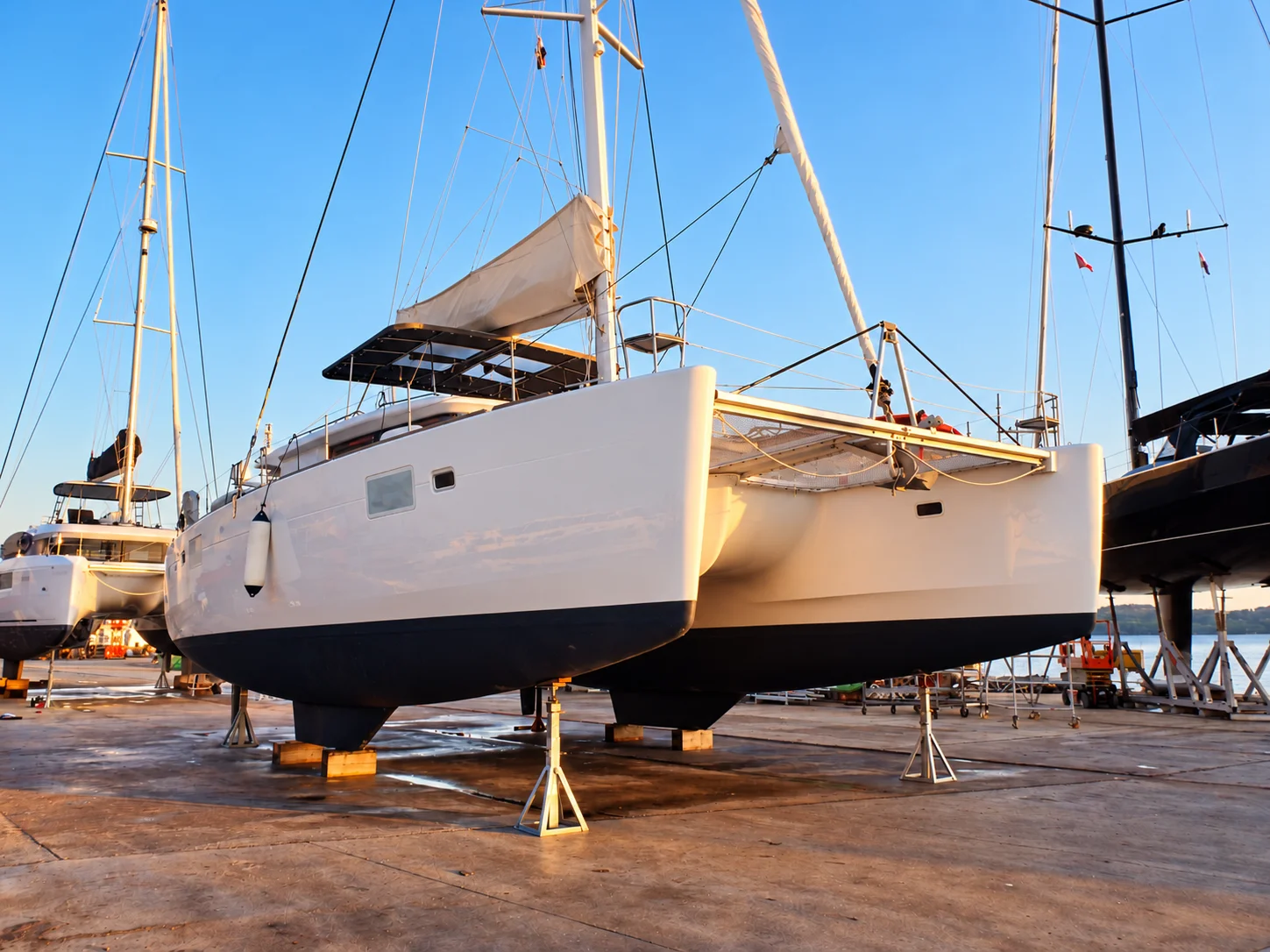
Frequently Asked Questions
Marine surveys explained
// 01Why should I use an independent marine surveyor?
A vessel can represent a substantial financial commitment and many significant defects may not be readily apparent during a normal viewing. An independent survey provides a structured professional assessment of the vessel and documents significant findings at the time of inspection.
// 02Which survey do I need when buying a yacht, sailboat or catamaran?
For most vessel purchases, a full pre-purchase condition survey is the appropriate inspection. Where possible, it should include inspection afloat, haul-out and sea trial. A more limited condition appraisal can be useful during the earlier selection stage but does not provide the same level of assessment.
// 03Do you survey sailboats and sailing yachts?
Yes. YSA undertakes surveys of sailing yachts and sailboats, including pre-purchase, condition, valuation, insurance, damage and limited-scope inspections. Accessible mast, spars, rigging, chainplates and sailing-related equipment can be included within the agreed scope, subject to stated inspection limitations.
// 04Do you survey catamarans?
Yes. YSA surveys both sailing and motor catamarans. The inspection scope is adapted to the vessel’s multihull structure and arrangement, with particular attention to accessible bridge-deck structure, hull connections, bulkheads, structural bonding, twin propulsion systems and rig-related areas where applicable.
// 05Do you survey motor yachts?
Yes. YSA undertakes condition, pre-purchase, valuation, insurance, damage, warranty, refit and other technical inspections of motor yachts, with scope adapted to the vessel’s machinery, propulsion, systems and construction.
// 06How much does a survey cost?
Survey fees depend on vessel length, construction type, complexity, age, location, type of survey, haul-out or sea-trial requirements and reporting scope. Once basic vessel information and the required scope are known, YSA provides a written quotation before instruction.
// 07How long does a survey take?
The required time depends on vessel size, complexity and scope. A typical pre-purchase survey of a smaller or medium-sized vessel may require a full survey day, while larger or more complex vessels may require additional time or separate attendance for afloat inspection, haul-out and sea trial.
// 08Can I attend the survey?
Yes, clients are welcome to attend the survey. This provides an opportunity to see the vessel first-hand, discuss observations with the surveyor and gain a better understanding of its overall condition. Attendance is subject to applicable yard and marina safety and access requirements, and certain inspection activities may require uninterrupted working time.
// 09Is a sea trial included in a pre-purchase survey?
Where agreed and logistically possible, a sea trial normally forms part of a comprehensive pre-purchase survey. It provides useful information about propulsion, steering, machinery behaviour and selected onboard systems under operating conditions, but it cannot reproduce every load or operating scenario.
// 10Do you inspect engines?
Accessible machinery and associated installations are visually inspected and available systems are operationally tested within the agreed survey scope. However, a yacht or boat condition survey is not equivalent to a specialist engine survey. Where machinery condition, service history, diagnostic data or a specific defect requires specialist assessment, inspection by the engine manufacturer or an appropriately qualified marine engineer may be recommended. Laboratory analysis of engine or gearbox oil may also be arranged, where appropriate, at additional cost.
// 11Do you inspect the rig?
Accessible mast, spars, rigging and associated deck fittings can be inspected from deck level as part of an agreed sailing-vessel survey. Unless specifically arranged, mast climbing, unstepping, dismantling of fittings and invasive testing are not included. Where age, visible condition or history justify further investigation, a specialist rigging inspection may be recommended.
// 12Do you use moisture meters?
Yes. Moisture measurement may form part of the assessment of GRP hulls, decks and other composite structures. Readings are interpreted comparatively and in relation to construction, coatings, environmental conditions, percussion response and other available evidence. A moisture reading alone does not establish the structural condition of a laminate.
// 13Do you work outside Croatia?
Yes. YSA undertakes assignments throughout the Adriatic and at selected international locations, subject to availability and project requirements. Travel and accommodation expenses, where applicable, are agreed in advance.
// 14How quickly will I receive the report?
Reporting time depends on survey complexity and the amount of technical documentation or follow-up required. The expected reporting period is normally confirmed when the survey is instructed. Where an urgent matter affects an immediate decision, significant observations can normally be communicated before completion of the final written report.
// 15Will the survey tell me whether I should buy the vessel?
The role of the surveyor is to provide an independent professional assessment, explain significant findings and recommend appropriate further action. The final purchasing decision remains with the client.
PLANNING A YACHT PURCHASE, INSPECTION OR TECHNICAL PROJECT?
Discuss your requirements with an independent marine surveyor based in Split, Croatia.
Request a survey